Dog Boarding vs House Sitting: Which Is Right for Your Dog?
By the Pets Locally team
Updated 2026
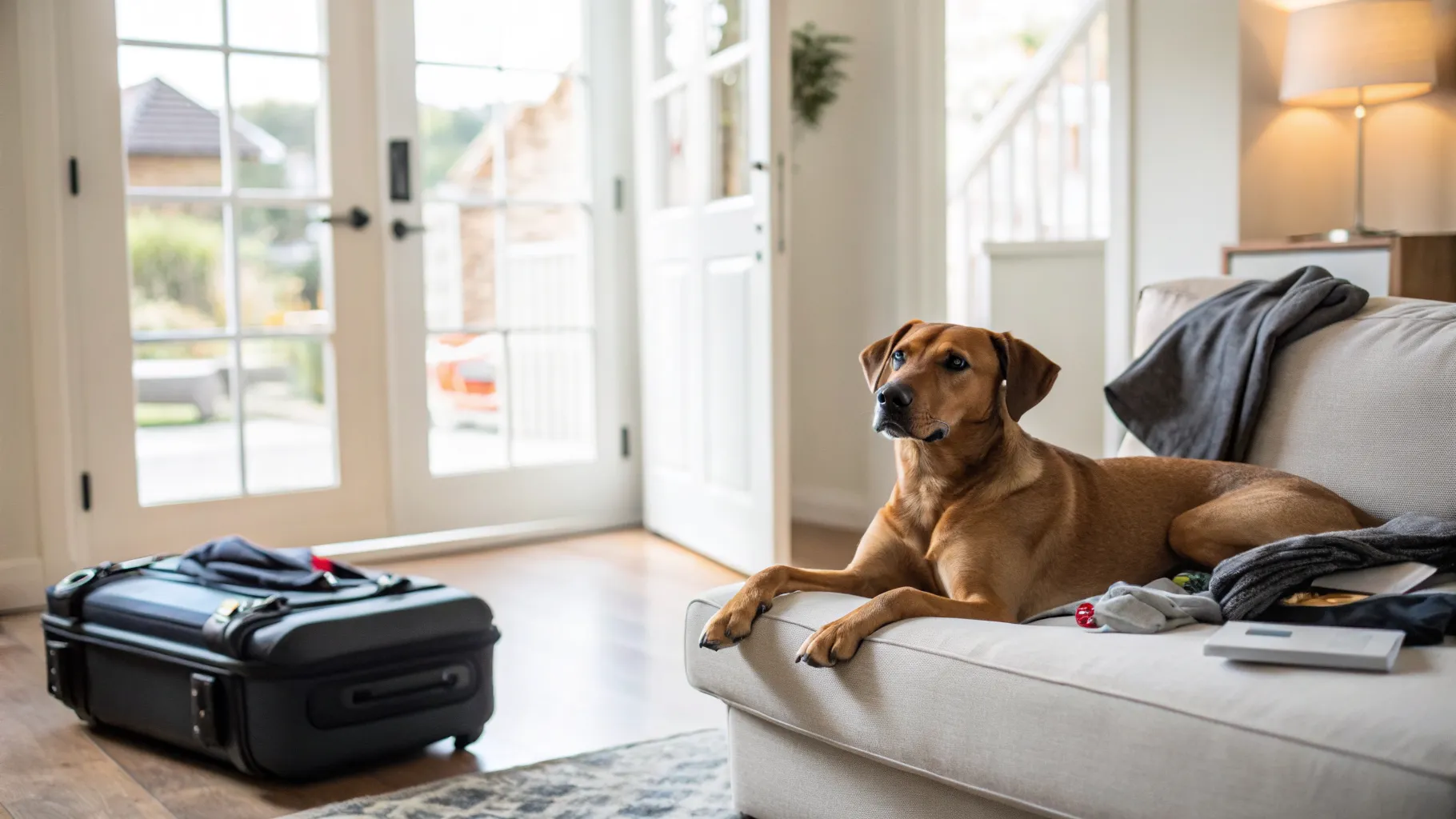
You have a trip booked and one job left: sorting out the dog. The two options most owners weigh up are boarding, where your dog goes to a kennel or to a licensed home boarder, and house sitting, where someone stays in your home and looks after your dog there. They can cost about the same once you add everything up, so the real question is which one suits your particular dog.
This guide breaks down the difference on stress, cost, safety, the rules each option follows, and the kind of dog each one suits. By the end you should know which way to go before you start contacting providers.
What each option actually means
The words get used loosely, so it helps to be precise.
Dog boarding covers two quite different setups. Kennel boarding is a licensed commercial facility where your dog stays in its own unit, usually with daily exercise and time in shared or separate runs. Home boarding is when a licensed individual takes your dog into their own house and it lives as part of their household for the stay. Both need a licence from the local council under the Animal Welfare (Licensing of Activities Involving Animals) (England) Regulations 2018.
House sitting means a sitter comes to your home and stays there, so your dog never leaves its own territory. This includes paid local pet sitters who charge a nightly rate and members of swap-style platforms such as TrustedHousesitters, where the sitter cares for your pets in exchange for free accommodation rather than a fee.
The split that matters most is simple: does your dog travel to the care, or does the care travel to your dog?
Stress and routine
For most dogs, the biggest difference is environment.
A house sitter keeps your dog in the one place it already feels safe. Same bed, same garden, same smells, same walk routes, same feeding spots. For an anxious dog, a rescue still settling in, a senior dog or a dog with a fixed medical routine, that continuity is worth a lot. There is no adjustment period and no kennel cough risk from being around lots of other dogs.
Boarding asks the dog to adapt to a new place. Confident, sociable dogs often take this in their stride and some genuinely enjoy the company of other dogs and the busier setting. Nervous or older dogs can find it harder. Kennels house several animals close together, which raises the chance of picking up kennel cough or fleas, and some anxious dogs come home unsettled, off their food or needing a few days to return to normal.
Home boarding sits in between. It is a domestic setting rather than a row of kennels, which suits dogs that cope better in a house, but it is still a new house with a new routine and possibly other dogs present.
What it costs
The prices are closer than people expect once you include extras.
The TrustedHousesitters UK pet care cost tracker puts the average nightly rate for dog kennels at around £29 and for an overnight dog sitter at around £44. Home boarding is not in that dataset, but going on widely published market rates it usually sits somewhere around £35 to £50 a night, a little above kennels because your dog gets a household rather than a unit.
A kennel looks cheapest on the headline rate, but that figure is often the base. Add-ons such as extra individual walks or one-to-one play time get charged on top, and over a ten-day trip those extras can push the real total well past the advertised price. A paid house sitter usually charges a flat nightly fee regardless of how many pets you have, which makes them better value if you own more than one dog, or a dog and a cat.
Membership platforms work differently again. TrustedHousesitters charges an annual membership rather than a per-night fee: £119 for Basic, £199 for Standard and £249 for Premium at current pricing, with Basic and Standard adding a small per-sit booking fee that Premium drops. If you travel several times a year, paying once for the year and getting sits at no nightly cost can work out cheaper than any paid option, though you depend on a member being available for your dates.
The honest summary: for a single short trip with one easy dog, kennels can be the cheapest. For longer trips, multiple pets, or frequent travel, sitting often closes the gap or wins outright.
The rules each option follows
This is where licensed boarding has a clear, checkable structure, and where house sitting relies more on the individual.
A licensed boarder, whether kennel or home, has to meet the standards in the government’s home boarding statutory guidance. The points worth knowing as an owner:
- Vaccinations are required. Dogs must be up to date against canine parvovirus, distemper, infectious canine hepatitis (adenovirus) and leptospirosis, with the primary course completed at least two weeks before the stay. Most kennels also ask for the kennel cough vaccine, usually given at least two weeks before arrival, though the exact gap varies by establishment, so check yours.
- A dog must not routinely be left alone for more than three hours in any 24 hour period.
- Each dog, or dogs from the same household, gets its own designated room where it can be kept separate from other dogs.
- Dogs from different households can only be boarded together with the written consent of every owner. Your written consent is also needed before a dog is walked outside the home or garden, or let off the lead.
- Licences run from one to three years depending on the star rating the council awards, so a longer licence signals a higher inspected standard.
You can ask any boarder for their licence number and star rating and check it against the council’s published list.
House sitting has no equivalent licence in most cases, so the safeguards come from the sitter, not the law. With paid sitters and platform members, look for a DBS check, public liability insurance, references and ideally an in-person meet before the booking. Reputable platforms verify ID and carry their own cover for members, but the due diligence is on you to confirm it rather than assuming a council has already checked.
There is also a security trade-off. A sitter in your home means your house is occupied, post is collected and any problem gets spotted fast. Against that, you are giving a relative stranger access to your home, which is why the meet-and-greet and references matter.
Which suits your dog
Use the dog, not the price, as the starting point.
House sitting tends to suit:
- Anxious, nervous or recently rehomed dogs that do badly with change
- Senior dogs and dogs with medical or medication routines
- Multi-pet households, especially bonded animals that should stay together
- Owners who travel often and can justify a yearly membership
- Anyone who also wants their home occupied while away
Boarding tends to suit:
- Confident, sociable dogs that enjoy other dogs and new places
- Owners who want professional, licensed, inspected care with clear standards
- Short single trips where a low nightly kennel rate is genuinely cheaper
- Situations where no trusted sitter is available and you need a guaranteed booking
If your dog falls in the middle, home boarding is often the compromise: a domestic setting and small numbers, with the legal licensing structure of boarding behind it.
Whichever way you lean, see the place or meet the person before you commit. Visit the kennel, walk round the home boarder’s house, or have the sitter spend an hour with your dog first. A short meeting tells you more than any review. When you are ready to shortlist, browse licensed boarding kennels and home boarders near you and check the licence and star rating first.
Frequently asked questions
Is dog boarding or house sitting cheaper? It depends on the trip. A kennel often has the lowest nightly rate, around £29, but extras like additional walks add up over a longer stay. A paid house sitter averages roughly £44 a night but usually charges one flat fee for all your pets, so it can be better value for multi-pet homes. Frequent travellers may save most with an annual sitting membership.
Does a dog need to be vaccinated for boarding? Yes. Licensed boarders require core vaccinations against parvovirus, distemper, infectious canine hepatitis and leptospirosis, with the primary course completed at least two weeks before the stay. Most also ask for the kennel cough vaccine, typically given at least two weeks in advance, though the required gap varies, so confirm with the specific boarder.
Is house sitting safe if I do not know the sitter? It can be, with the right checks. Ask for a DBS check, public liability insurance and references, and arrange an in-person meeting before you book. Verified platforms add ID checks and their own cover for members, but it is still on you to confirm the safeguards rather than assume them.
Will my dog get stressed in a kennel? Some dogs settle quickly, especially confident, sociable ones. Anxious, nervous or older dogs can find the new environment and proximity to other dogs harder, and a few come home unsettled for a day or two. If that describes your dog, home boarding or a house sitter usually keeps stress lower.
What licence do UK dog boarders need? In England, anyone boarding dogs commercially, whether in kennels or their own home, needs a licence from the local council under the Animal Welfare (Licensing of Activities Involving Animals) (England) Regulations 2018. Licences carry a one to three year term and a star rating reflecting the standards met. Ask for the licence number and check it with the council.
Is home boarding the same as kennel boarding? No. Kennel boarding houses your dog in a unit at a commercial facility, while home boarding means a licensed person takes your dog into their own house to live as part of the household. Both are licensed, but home boarding offers a domestic setting and smaller numbers, which suits dogs that cope better in a house than a kennel.
Looking for someone local?
Search your town to find checked groomers, walkers, sitters and pet shops near you, with real owner reviews.
Find local pet services