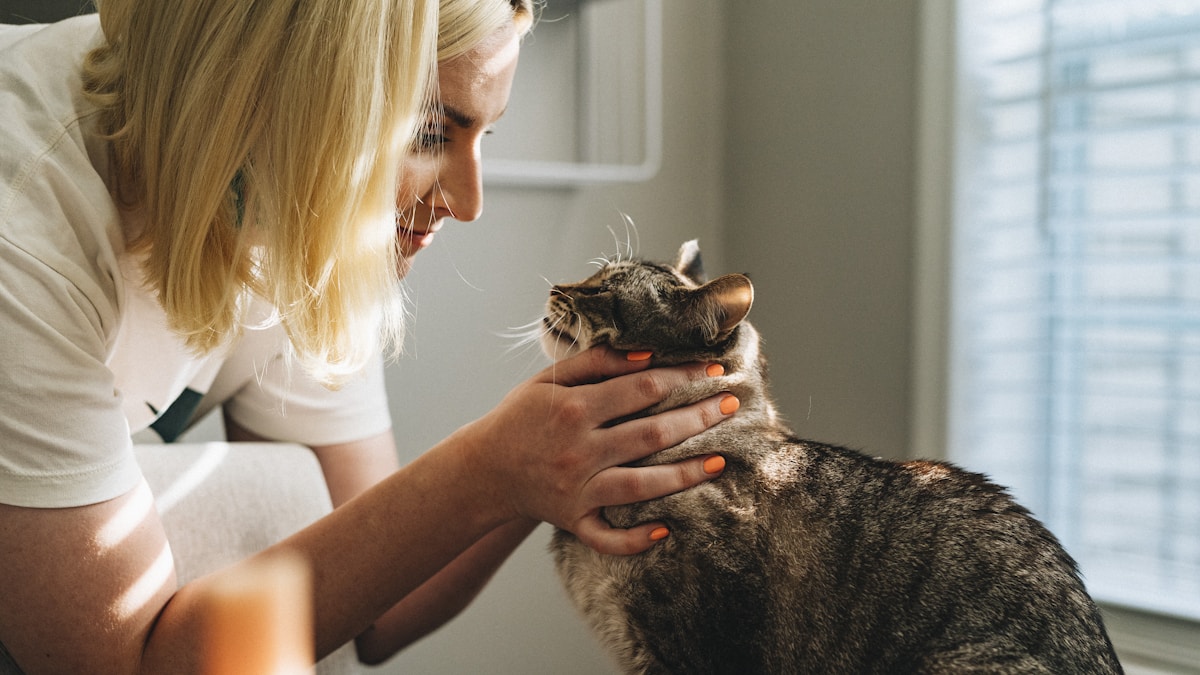
Bringing a pet into your home marks the beginning of a rewarding relationship that will enrich your life for years to come. Whether you have chosen a puppy, kitten, adult rescue dog, or any other companion animal, proper preparation and understanding set the foundation for a successful, happy life together. This guide covers essential knowledge for first-time pet owners, helping you start this journey with confidence.
Before Bringing Your Pet Home
Preparation before your pet arrives prevents scrambling during those crucial first days and helps your new companion settle more comfortably. Take time to prepare properly rather than rushing the process.
Research your specific pet type and breed thoroughly. While general advice applies broadly, dogs, cats, rabbits, and other pets have distinct needs. Breed characteristics matter too: a Border Collie's exercise requirements differ dramatically from a Bulldog's, and a Maine Coon's grooming needs exceed those of a British Shorthair.
Gather essential supplies before your pet arrives. For dogs, this means food and water bowls, appropriate food, collar, lead, identification tag, bed, crate if using one, toys, and grooming tools suitable for their coat type. Cats need litter trays, litter, food bowls, scratching posts, beds, and carriers. Other pets have their own specific requirements.
Prepare your home for a new animal presence. Identify and secure potential hazards: toxic plants, accessible electrical cords, small objects that could be swallowed, and chemicals stored at pet level. Create a designated space where your new pet can retreat and feel secure during the adjustment period.
Choose your veterinary practice before bringing your pet home if possible. Schedule an initial health check within the first few days. This appointment establishes the vet-pet relationship, confirms your new companion's health status, and allows discussion of vaccination schedules, parasite prevention, and any immediate concerns.
The First Days at Home
The initial period in a new home is overwhelming for any pet. Everything is unfamiliar: the sounds, smells, people, and routines. Your pet may be anxious, withdrawn, or overexcited. Patience and calmness help them adjust.
Create a quiet, secure space for your new pet with their bed, water, and access to food. For puppies and dogs, a crate or puppy-proofed room works well. Cats benefit from a single room initially, with gradual introduction to the wider home once confident. Allow your pet to explore at their own pace rather than overwhelming them with the entire house immediately.
Keep noise and activity levels low during the first few days. While the temptation to invite friends and family to meet your new pet is understandable, too many new people too quickly increases stress. Allow your pet to bond with household members first before introducing outsiders.
Establish feeding, walking, and toilet routines from day one. Consistency helps pets understand what to expect and speeds the settling process. If you plan to maintain particular rules, such as no dogs on furniture, enforce these gently but consistently from the start rather than allowing behaviour you will later forbid.
Sleep arrangements often prove challenging initially. Puppies separated from littermates may cry at night. While opinions vary on how to manage this, consistency matters more than the specific approach. Whether your pet sleeps in your room, a crate elsewhere, or another arrangement, maintain that routine rather than switching approaches nightly.
Healthcare Essentials
Understanding basic pet healthcare helps you keep your companion healthy and recognise when professional attention is needed.
Vaccinations protect against serious, often fatal diseases. Puppies and kittens need primary vaccination courses, typically a series of injections starting around eight weeks of age and completing by sixteen weeks. Adult pets need regular boosters, with frequency depending on vaccines used and local disease prevalence. Your vet advises on appropriate vaccination schedules.
Parasite prevention protects against fleas, ticks, intestinal worms, and lungworms. Many effective products are available, with your vet recommending appropriate options for your pet's circumstances. Treatment frequency varies by product and risk factors.
Neutering, unless you have specific breeding intentions, prevents unwanted pregnancies and provides health benefits including reduced risk of certain cancers and infections. The appropriate timing for neutering varies by species, breed, and size, so discuss this with your vet rather than assuming one age fits all.
Microchipping is a legal requirement for dogs in the UK and strongly recommended for cats. Microchips provide permanent identification that cannot be lost like collars. Ensure your contact details remain current on the microchip database, updating them whenever you move or change phone numbers.
Pet insurance purchased early protects against unexpected veterinary costs. Policies taken before health problems develop cover conditions throughout your pet's life, whereas switching insurers later may exclude pre-existing conditions. Research policies carefully, as coverage varies significantly.
Nutrition Basics
Feeding your pet appropriately supports their health, energy, and longevity. While nutrition can become complex, understanding fundamentals helps you make good basic choices.
Choose food appropriate for your pet's species, life stage, and size. Puppy food differs from adult dog food, which differs from senior formulations. Large breed puppies have different nutritional requirements than small breed puppies. Cats have different needs than dogs entirely.
Quality commercial pet foods provide complete, balanced nutrition when fed according to guidelines. Look for products meeting FEDIAF (European Pet Food Industry Federation) standards, which ensure nutritional completeness. Premium foods typically use higher quality ingredients, though price does not always indicate quality.
Feeding amounts depend on the specific food, your pet's weight, activity level, and individual metabolism. Packaging guidelines provide starting points, but monitor your pet's weight and condition, adjusting portions as needed. Many pets receive excessive calories and become overweight, causing health problems.
Fresh water should be available at all times. Clean water bowls daily and refill with fresh water. Some pets prefer running water; fountains can encourage drinking in reluctant cats.
Treats should comprise no more than ten percent of daily calories. While treats aid training and strengthen bonds, excessive treating causes weight gain and nutritional imbalance. Choose healthy treats and factor them into daily calorie allowances.
Training and Behaviour
All pets benefit from training, with dogs particularly requiring clear, consistent guidance to become well-mannered companions. Training is not about domination; modern methods use positive reinforcement to teach desired behaviours while maintaining trusting relationships.
Start training immediately when your pet arrives home. Puppies are never too young to learn, and older pets benefit from understanding household expectations. Basic commands for dogs include sit, down, stay, come, and loose lead walking. Cats can learn to respond to names, come when called, and accept handling for grooming and health checks.
Positive reinforcement means rewarding desired behaviour rather than punishing unwanted behaviour. Rewards can be treats, praise, toys, or whatever motivates your individual pet. Timing matters: deliver rewards immediately after the desired behaviour so your pet connects the action with the outcome.
Consistency across all household members prevents confusion. If one person rewards a behaviour while another punishes it, or if rules change depending on mood, pets struggle to understand expectations. Agree on rules and ensure everyone enforces them consistently.
Seek professional help early if behaviour concerns arise. Issues like reactivity, aggression, severe anxiety, or destructive behaviour often worsen without proper intervention. Qualified behaviourists and positive reinforcement trainers can assess problems and create modification plans before habits become entrenched.
Puppy classes or socialisation groups benefit young dogs enormously. These classes introduce puppies to other dogs, various people, and novel experiences in controlled, positive environments. The socialisation window closes around sixteen weeks, making early attendance valuable.
Exercise and Enrichment
Physical exercise and mental stimulation are essential for pet wellbeing. Under-exercised, under-stimulated pets develop behaviour problems including destructiveness, excessive barking, anxiety, and obesity.
Exercise needs vary enormously by species, breed, age, and individual temperament. Research your specific pet's requirements. A working breed dog may need two or more hours of active exercise daily, while a laid-back adult cat may be content with indoor play sessions. Provide appropriate amounts rather than assuming all pets of a type need identical exercise.
Mental stimulation matters as much as physical exercise for many pets. Puzzle feeders, training sessions, interactive toys, and novel experiences all provide enrichment. Dogs benefit from sniffing opportunities during walks, exploring new environments, and problem-solving games. Cats need opportunities to hunt, climb, scratch, and express natural behaviours.
Young animals need careful exercise management. Puppies should not be over-exercised as developing joints and bones can be damaged. General guidelines suggest five minutes of exercise per month of age, twice daily, for puppies. Your vet can advise on appropriate activity levels for growing pets.
Senior pets still need exercise but may require modified routines accounting for reduced mobility, stamina, or sensory decline. Adjust activities as your pet ages, maintaining stimulation while respecting physical limitations.
Socialisation and Ongoing Development
Early socialisation profoundly impacts lifelong behaviour, particularly for dogs. Properly socialised pets cope confidently with varied situations throughout their lives, while poorly socialised animals may develop fears, anxieties, and reactivity.
The critical socialisation period for puppies runs from approximately three to sixteen weeks of age. During this window, puppies should experience varied people, animals, environments, sounds, surfaces, and situations in positive circumstances. Negative experiences during this period can create lasting fears, so ensure encounters remain pleasant.
Socialisation continues throughout life, though its nature changes. Adult dogs benefit from ongoing positive experiences that maintain confidence and social skills. Avoid forcing interactions that frighten your pet; instead, create positive associations through gradual exposure and rewards.
Cats also benefit from early socialisation, learning to accept handling, household sounds, and potentially other animals during their sensitive period of two to seven weeks. However, cats mature differently than dogs and may become more selective about social interactions as adults.
Ongoing training and mental engagement throughout your pet's life maintains the bond between you and provides continued stimulation. Learning new tricks, trying new activities, or simply maintaining trained behaviours keeps minds active and relationships strong.
Building Lifelong Bonds
The relationship between pet and owner deepens over time through shared experiences, consistent care, and mutual trust. Nurturing this bond creates the rewarding companionship that makes pet ownership so special.
Spend quality time with your pet daily beyond basic care routines. Play sessions, training time, gentle grooming, or simply sitting together all strengthen your connection. The specific activities matter less than the positive, focused attention you provide.
Learn your individual pet's communication signals, preferences, and personality quirks. While general species knowledge helps, each animal is unique. Understanding what your specific pet enjoys, fears, or finds stressful allows you to meet their needs more effectively.
Respect your pet's boundaries and preferences. Not all dogs enjoy being hugged; many cats dislike being picked up. Forcing interactions your pet finds uncomfortable erodes trust. Watch body language and respond appropriately to what your pet communicates.
Commit to caring for your pet throughout their entire life. Pets are not disposable; taking on an animal means accepting responsibility for their welfare through all life stages, including the challenges of illness, age, and eventually end-of-life care. This commitment forms the foundation of the human-animal bond.
Common First-Time Owner Mistakes
Awareness of typical mistakes helps new owners avoid them. These errors are usually well-intentioned but can cause problems for pets and their families.
Insufficient research before getting a pet leads to mismatched expectations. A first-time owner choosing a highly demanding breed may become overwhelmed. Research breeds honestly, including their challenges, not just their appealing qualities.
Inconsistent training confuses pets and slows learning. Establish clear rules and ensure everyone follows them consistently from day one. Mixed messages frustrate both pets and owners.
Over-reliance on punishment damages relationships and often worsens behaviour. Punishment teaches pets what not to do but not what they should do instead, creates fear and anxiety, and harms the trusting bond essential for happy cohabitation.
Neglecting early socialisation creates lifelong behavioural challenges. The inconvenience of puppy classes and varied early experiences pays off in confident, well-adjusted adult pets.
Underestimating time and financial commitments leads to struggling owners and neglected pets. Honestly assess whether you have sufficient time, energy, and resources before committing to pet ownership.
Delaying veterinary attention for health concerns can allow treatable conditions to worsen. When something seems wrong, consult your vet promptly rather than waiting to see if problems resolve.
The Journey Ahead
Pet ownership is a journey of continuous learning. No one starts knowing everything, and even experienced owners encounter new challenges with each animal. Embrace the learning process, seek advice when needed, and forgive yourself for mistakes along the way.
Your pet will bring joy, companionship, laughter, and occasionally frustration into your life. The bond you develop through daily care, shared experiences, and consistent love creates something truly special. Welcome to the wonderful world of pet ownership.