How Often Should I Walk My Dog? Once a Day Is the Floor
By the Pets Locally team
Updated 2026
If you are asking how often should I walk my dog, the short answer from British veterinary charities is one to two walks every day for almost every healthy adult dog, unless your vet has said otherwise. The frequency is the easy part. What varies enormously, and what most advice gets wrong, is how long each walk should be and what should happen during it.
The other thing worth knowing before you plan anything: the rule most people quote for puppies is now disputed by the PDSA. More on that below, because it changes what you should ask a dog walker to do.
Adult dogs: the daily minimum
Most healthy adult dogs need at least one to two walks a day. Total daily exercise typically lands somewhere between 30 minutes and two hours depending on breed, age and fitness.
Rough grouping by type:
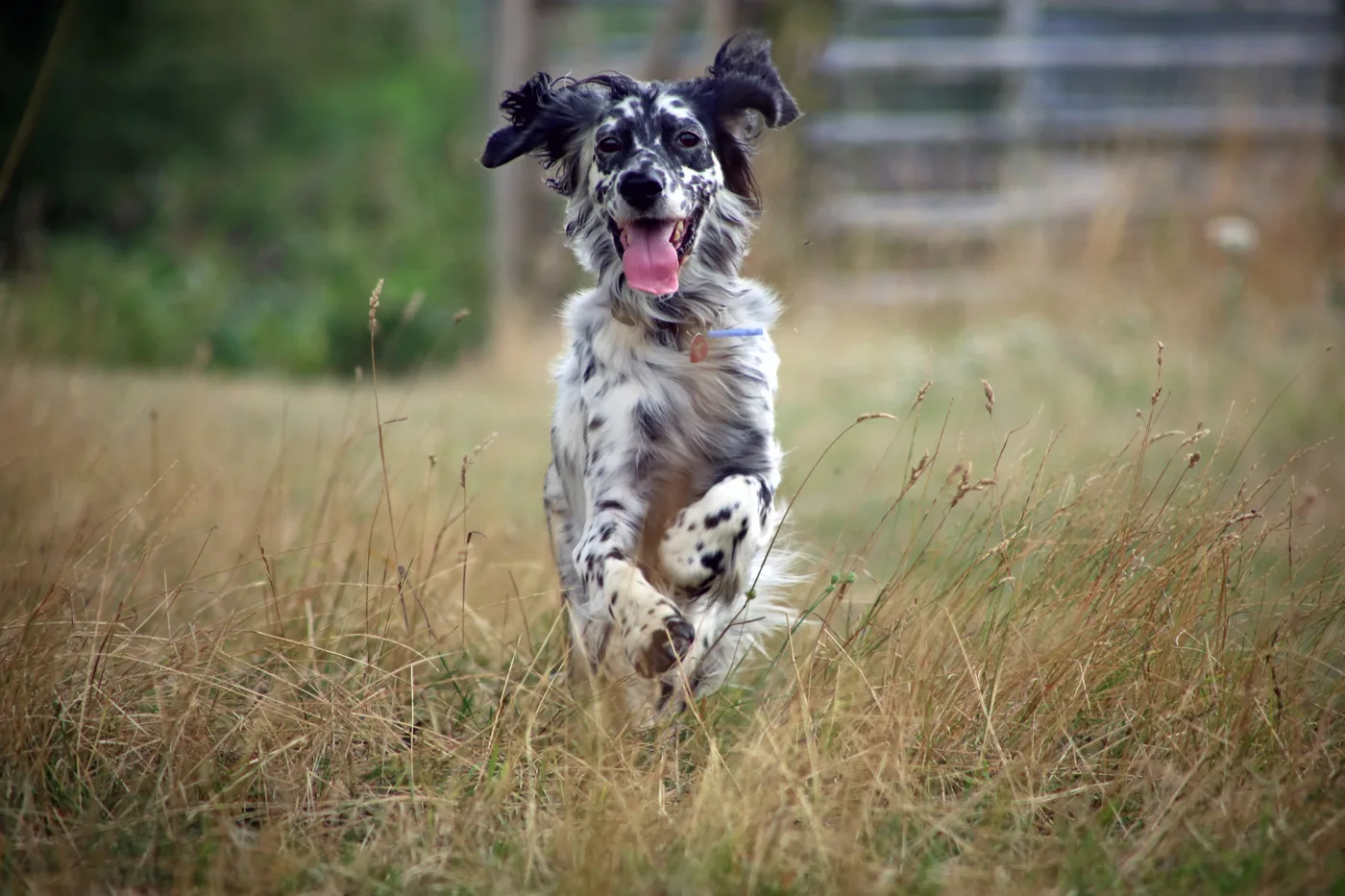
Working and high-drive breeds (Border Collies, Belgian Malinois, Vizslas, Springer Spaniels, German Shepherds). Two hours a day and often more, and physical exercise alone will not settle them. These dogs need work to do. A collie given three hours of running and no mental task will simply become a fitter, more frustrated collie.
Sporting and larger active breeds (Labradors, Retrievers, Pointers, Huskies). One to two hours across two walks, with recall work and retrieving to add variety.
Terriers and small active breeds (Jack Russells, Border Terriers, Miniature Schnauzers). Often need far more than their size suggests. An hour split across two outings, with plenty of sniffing.
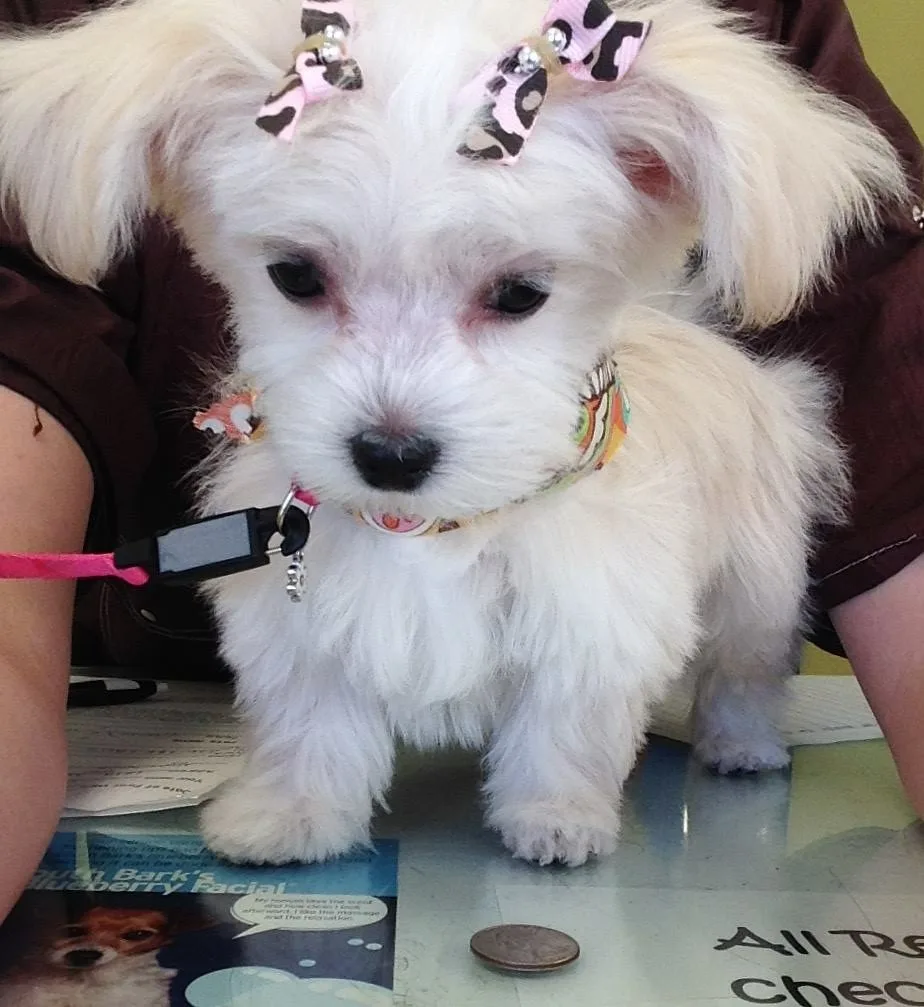
Companion and toy breeds (Cavaliers, Bichons, Maltese). Around 30 to 60 minutes total, which two shorter walks cover comfortably.
Flat-faced breeds (Pugs, French and English Bulldogs, Shih Tzus). Short, frequent, low-intensity outings only. These breeds often have restricted airways, they overheat easily, and prolonged or intense exercise is genuinely dangerous rather than merely tiring. Several short walks beat one long one every time.
PDSA’s own guidance is that most dogs need at least one to two walks a day, that some breeds need a minimum of one to two hours and working breeds need significantly more, and it points owners to breed-specific pages rather than a single number. Its dog exercise guide is the sensible free reference.
The puppy rule that vets now question
The familiar advice is five minutes of exercise per month of age, up to twice a day, until the puppy is fully grown. So fifteen minutes at three months, twenty at four, and so on. The Kennel Club still publishes this as a rule of thumb.
The PDSA is blunt about it: “there’s no scientific evidence behind this rule, and although it might work for some, it’s not appropriate for most puppies.”
What PDSA recommends instead is tailoring exercise to the individual puppy, considering age, size, breed, growth timeline and energy levels, rather than applying a formula. The underlying concern is real regardless of which side you take. A puppy’s growth plates need to fuse before high-impact activity is safe, large breeds may still be growing at 18 to 24 months, and over-exercising a young dog risks permanent joint damage, including arthritis and hip dysplasia later in life. PDSA’s exercising your puppy page sets out its position in full.
The practical resolution: use the five-minute figure as a ceiling for structured exercise, meaning lead walks, training sessions and directed play where you set the pace. It does not need to apply to free pottering in a garden, where the puppy stops when it is tired. And do not run with a puppy at all.
If you are hiring help while your puppy is young, this matters directly. Ask any walker how they handle puppies, and see our how to choose a dog walker guide for the other questions worth asking.
Sniffing counts, and most owners underrate it
The most useful line in PDSA’s guidance is that a slow, meandering walk spent sniffing and exploring is great for a dog’s mental health.
That reframes what a good walk looks like. Twenty minutes of a dog reading a hedgerow does more for its brain than forty minutes of being marched along a pavement to hit a step target. For dogs that get less physical exercise, whether through age, injury or breed, sniffing walks and brain games are the substitute, not a consolation prize.
This is also the practical difference between a good and a mediocre dog walking service. A walker managing eight dogs on a schedule cannot let each of them stop to investigate. A walker with two or three can. Worth knowing when you compare quotes; our page on dog walking costs in the UK covers what group size does to the price.
When a walk is not enough, and when it is too much
Signs your dog needs more: restlessness in the evening, destructive chewing, weight gain, barking at nothing, waking early. These usually read as behaviour problems and are often exercise or stimulation problems.
Signs of too much, particularly in puppies and older dogs: lagging behind on the way home, lying down mid-walk, stiffness the following morning, reluctance to get up. Take those seriously. Too much exercise causes joint damage and exhaustion, especially at either end of a dog’s life.
Two weather rules that override everything above. In summer, walk in the early morning and the evening only, take water, and skip the middle of the day entirely. Flat-faced breeds and older dogs are at real risk of heatstroke, and pavements hold heat long after the air has cooled. In winter, older and thin-coated dogs benefit from shorter, more frequent outings.
Fitting it around work
Most people asking this question are really asking whether their dog is getting enough while they are out for eight hours. Honest options:
- A midday dog walker breaks up the day and covers the second walk. The most common arrangement, and usually the cheapest fix.
- Daycare suits sociable, high-energy dogs and is poor for anxious or reactive ones. Our dog daycare versus dog walker comparison covers the choice.
- Splitting the walks yourself, one before work and one after, works for lower-energy breeds and is often enough.
Whichever you choose, ask the provider how long the dog is actually walked for as opposed to how long they are collected for. Travel time between pickups is frequently counted in the session. Our questions to ask a dog walker list covers this and the insurance questions that matter more than people think.
Frequently asked questions
Is one walk a day enough for a dog? For many lower-energy and smaller breeds, yes, provided it is long enough and includes time to sniff. Most vets recommend one to two walks a day as the minimum, and working or high-drive breeds need considerably more than a single outing.
How long should a dog walk be? Between 30 minutes and two hours of total daily exercise, depending on breed, age and fitness. Working breeds sit at the top of that range or above it; flat-faced and toy breeds sit well below it.
Is the five-minute rule for puppies correct? It is disputed. The Kennel Club publishes it as a rule of thumb, but the PDSA states there is no scientific evidence behind it and that it is not appropriate for most puppies. Treat it as a ceiling for structured lead walks and training, and tailor the rest to your individual puppy.
How much exercise does a flat-faced dog need? Short and frequent rather than long. Pugs, Bulldogs and similar breeds often have restricted airways and overheat easily, so several brief low-intensity outings are safer than one sustained walk, and hot weather should be avoided entirely.
Can I skip a walk if my dog has a big garden? A garden is not a substitute. Dogs get most of their mental stimulation from new smells and new environments, and a familiar garden provides neither. A short walk somewhere different beats a long session in the same space.
How do I know if my dog is getting enough exercise? Look at the evening. A dog that settles calmly is usually well exercised. Restlessness, destructive chewing, unexplained barking and weight gain generally indicate too little physical or mental work, not a training failure.
Looking for someone local?
Search your town to find checked groomers, walkers, sitters and pet shops near you, with real owner reviews.
Find local pet services