How to Introduce a New Dog Walker to Your Dog
By the Pets Locally team
Updated 2026
How to Introduce a New Dog Walker to Your Dog
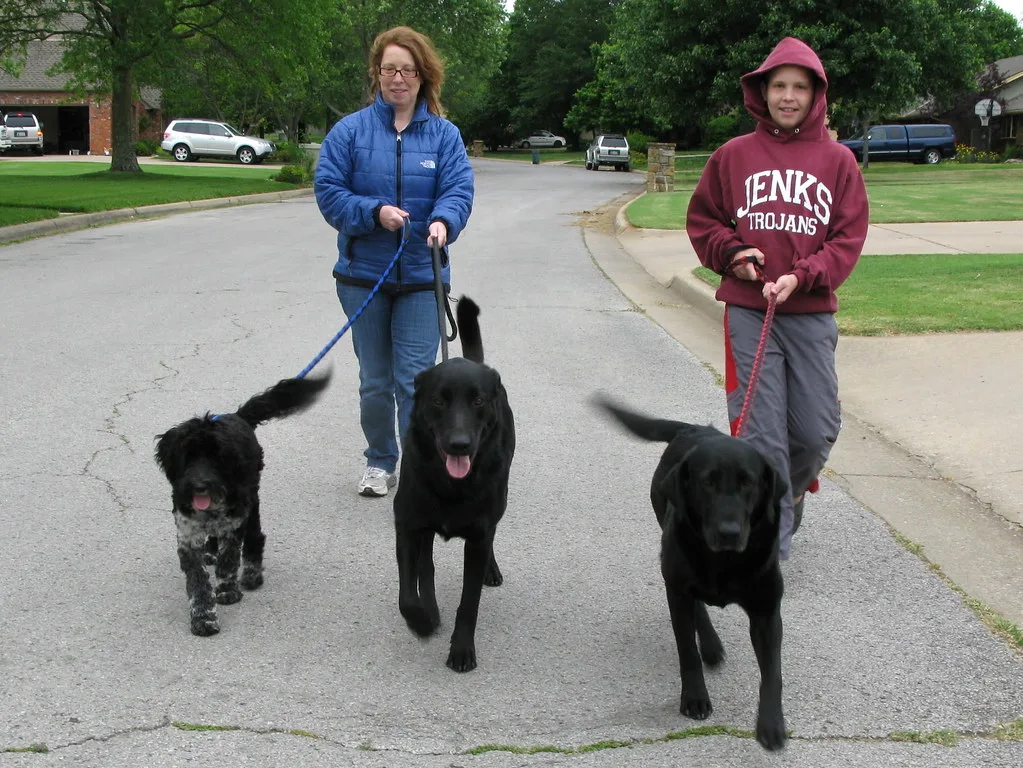
Learning how to introduce a new dog walker to your dog properly is the difference between a smooth handover and a stressful one for everyone, your dog included. You have done the hard part of finding someone you trust, but a dog does not know that. To them, a stranger is about to hold their lead and take them out without you. Done well, over a meet and greet and a trial walk or two, most dogs accept a new walker quickly. Rushed, it can leave a nervous dog anxious and a walker struggling on day one. Here is the calm, sensible way to do it.
Start with a meet and greet at home
Always arrange a meet and greet before any walk, on your dog’s own turf. Home is where your dog feels safest, so it is the easiest place for a first meeting. A good walker will expect this and will not charge for it.
The single most important thing you can do: let your dog set the pace. Do not force a greeting. Ask the walker to ignore your dog at first, avoid direct eye contact, and stay relaxed while your dog chooses when to approach and sniff. Welfare charities including the RSPCA advise giving dogs choice and space during introductions rather than pushing them into contact. Most dogs settle within minutes once they realise nobody is crowding them. Watch how the walker responds; someone warm, patient and unbothered by an excitable or wary dog is exactly who you want. Someone who lunges in for a cuddle is not.
Have some of your dog’s favourite treats to hand and let the walker offer one once your dog is comfortable. This builds a quick, positive association with the new person.
Give the walker your dog’s “user manual”
A new walker cannot read your dog’s mind, so tell them everything that matters. Run through:
- Your dog’s routine, commands and the words you use for them
- Any medical conditions, medication, allergies or age-related needs
- Behaviour around other dogs, people, cyclists, cats or livestock
- Specific fears and triggers, and what your dog does when scared
- Recall reliability and whether they can ever be off-lead
- Favourite high-value treats and what genuinely motivates them
- Your vet’s details and your dog’s microchip number
If you have already worked through our questions to ask a dog walker, you will also have confirmed the practical basics like insurance, DBS check and group size. This conversation is about your individual dog rather than the walker’s business.
Do a trial walk before committing
Once the meet and greet goes well, book a short trial walk rather than jumping straight to a full schedule. Two options work well depending on your dog.
For a confident dog, a solo trial walk with just the walker lets you both see how they behave together without you present, which is closer to the real thing. For a nervous, rescue or elderly dog, join the first walk yourself, then hang back and let the walker take the lead partway round, so your dog experiences being handled by them while you are still nearby. Our guide on using a dog walker for a rescue dog covers the extra care shy dogs need.
Keep early walks short and familiar, on routes your dog already knows, before building up to longer outings or group walks.
Nail the handover routine
Dogs read patterns, so a consistent handover helps enormously. Agree exactly how the walker collects your dog: where the lead lives, how they enter if you are out, where treats and poo bags are kept, and how they lock up. Keep your own goodbye low-key and unemotional. A big, anxious farewell tells your dog something is wrong; a calm, matter-of-fact exit tells them this is normal.
Ask the walker to send a quick message or photo after the first few walks. It reassures you, and it tells you how your dog is really getting on when you are not there.
Watch for the green (and red) flags
Over the first week or two, look for signs it is working. Green flags: your dog is relaxed or excited when the walker arrives, comes home happily tired, eats and sleeps normally. Red flags: your dog hides, shakes or refuses to go, comes back over-aroused or distressed, or the walker is vague about where they went or how it went.
Most settling-in wobbles pass within a few walks as trust builds. If they do not, talk to the walker, slow the process down, or accept that the match is not right and look again. A good walker will want the same outcome you do. For choosing the right person in the first place, see our guide on how to choose a dog walker, and you can find trusted local walkers in your area through our directory.
Frequently asked questions
How long does it take a dog to get used to a new dog walker? Most dogs accept a new walker within a handful of walks once there has been a proper meet and greet and a short trial. Confident dogs often settle on the first solo walk, while nervous, rescue or elderly dogs may need a couple of weeks of gradual, short walks before they are fully at ease.
Should I be there for the first walk with a new dog walker? For a confident dog, a solo trial walk is fine and gives the truest picture of how they behave together. For a nervous or rescue dog, join the first walk and hand over partway round, so your dog is handled by the walker while you are still close by, then step back over the next few walks.
What should I tell a new dog walker about my dog? Everything that affects their safety and happiness: routine and commands, medical needs and medication, behaviour around other dogs and people, specific fears and triggers, recall and off-lead status, favourite treats, and your vet and microchip details. Treat it as a full user manual for your individual dog.
My dog is nervous of strangers. How do I introduce a dog walker? Go slowly. Hold the meet and greet at home, ask the walker to ignore your dog and let them approach first, and use high-value treats to build a positive link. Then do several short walks, starting with you present, before the walker takes sole charge. Never force interaction.
Do dog walkers do a free meet and greet? Most professional dog walkers offer a free meet and greet as standard, because it is in everyone’s interest to check the match before booking regular walks. If a walker refuses to meet your dog before taking them out, treat that as a warning sign.
Looking for someone local?
Search your town to find checked groomers, walkers, sitters and pet shops near you, with real owner reviews.
Find local pet services