Questions to Ask a Cattery Before You Book
By the Pets Locally team
Updated 2026
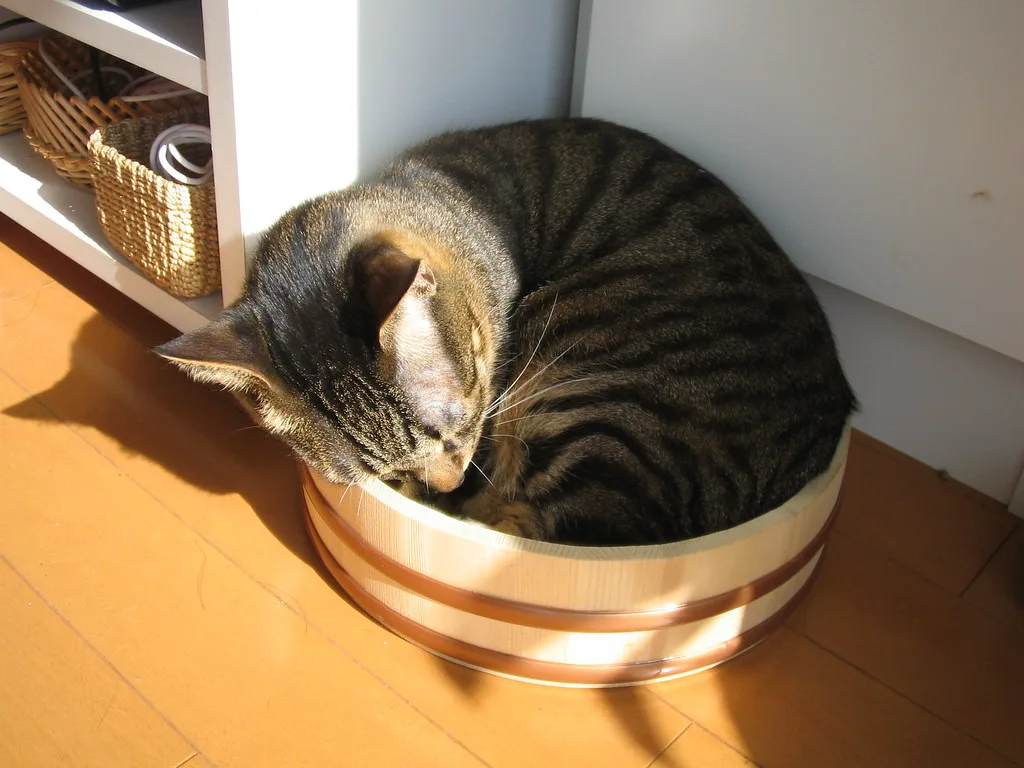
Leaving your cat with strangers is a leap of faith, and the right questions to ask a cattery are what turn that leap into a considered decision. A good cattery will welcome every one of them; a poor one will get vague or defensive, which tells you what you need to know. This guide sets out exactly what to ask before you book, and what a reassuring answer sounds like, so your cat comes home happy and healthy.
The single best thing you can do is visit in person before booking. A phone call tells you some of this, but you cannot smell a clean cattery, or see how the cats already there are settling, down a phone line.
Start with the licence and star rating
In England, any business boarding cats must hold a licence from its local council under the Animal Welfare (Licensing of Activities Involving Animals) Regulations 2018. Similar licensing applies across the rest of the UK. Ask:
- “Are you licensed by the council, and what star rating do you hold?” Licensed catteries are rated from one to five stars. A higher rating reflects better standards and a longer licence period. Ask to see the certificate; it should be on display.
- “Can I see your latest inspection?” A confident cattery will happily show it.
If a cattery cannot produce a licence, walk away. Boarding cats without one is illegal, and it means no independent body has checked the welfare standards. You can confirm what licensing involves through the GOV.UK cat boarding guidance.
Ask about vaccinations and health rules
A cattery that does not check vaccinations is one that will happily board an infectious cat next to yours. The right answers here protect your cat:
- “What vaccinations do you require?” The expected answer covers feline infectious enteritis (feline parvovirus) and cat flu (feline herpesvirus and calicivirus). They should ask to see your cat’s vaccination record.
- “How far in advance must vaccinations be done?” Boosters need to be completed at least two weeks before arrival to give full protection. A cattery that knows this is on top of the detail.
- “Do you require flea and worming treatment to be up to date?” Yes is the right answer.
If a cattery does not ask you for proof of vaccination, treat that as a red flag, not a convenience.
Cover security, staffing and daily care
This is where you learn how your cat will actually be looked after day to day:
- “Is someone on the premises overnight, and how often are cats checked?” You want daily health checks and someone contactable at all hours.
- “How are the pens separated?” Cats from different households must be housed separately, with sneeze barriers between units so illness cannot pass between them. Same-household cats can share if you want them to.
- “How much space and what enrichment does each cat get?” Look for a sleeping area plus a separate run, somewhere to hide, and a view out. Cramped, bare pens are a poor sign.
- “How is bedding and cleaning handled?” Bedding should be cleaned and disinfected between cats or whenever soiled.
Check vet cover, feeding and medication
- “What happens if my cat falls ill?” There should be a named vet and a clear plan, plus a request for your own vet’s details and your consent for treatment.
- “Can you keep to my cat’s usual food and routine?” A sudden diet change upsets many cats, so a cattery that will feed your brand and stick to feeding times is worth choosing.
- “Can you give medication if needed?” Essential if your cat is on any treatment; ask how they record and administer it.
- “Are you insured?” A licensed cattery should carry public liability and care, custody and control insurance.
The visit itself
When you go, use your senses as much as your checklist. The cattery should smell clean rather than of strong chemicals masking odour, the cats already there should look settled and have clean water, and the staff should clearly like cats and answer without hesitation. Trust your instinct: if something feels off during a viewing, it will not feel better on drop-off day.
Book early, especially for school holidays and Christmas, because the best catteries fill up months ahead. If you are still weighing your options for cat care while you are away, our guide to finding a mobile cat groomer covers vetting another pet professional with the same careful approach.
Frequently asked questions
What should I ask a cattery before booking? Ask about their council licence and star rating, their vaccination and flea or worming requirements, whether someone is on site overnight, how cats are housed and separated, their vet arrangements, and whether they will keep your cat’s usual food and routine. Always visit in person first.
Do catteries need a licence in the UK? Yes. Boarding cats commercially requires a licence from the local council, issued under the Animal Welfare (Licensing of Activities Involving Animals) Regulations 2018 in England, with equivalent schemes elsewhere in the UK. Licensed catteries are given a star rating from one to five.
What vaccinations does my cat need for a cattery? Cats must be vaccinated against feline infectious enteritis and cat flu (feline herpesvirus and calicivirus), and the course or booster should be completed at least two weeks before arrival. A reputable cattery will ask to see the vaccination record.
How far in advance should I book a cattery? As early as you can, particularly for the summer holidays and Christmas, when good catteries book up months ahead. Booking early also gives you time to visit and compare rather than taking whatever is left.
Is it better to use a cattery or a cat sitter? It depends on your cat. Confident cats often cope well in a good cattery with company nearby, while nervous or elderly cats may be less stressed staying in their own home with a visiting sitter. Either way, apply the same checks: licensing or references, insurance, and a clear plan if your cat falls ill.
Looking for someone local?
Search your town to find checked groomers, walkers, sitters and pet shops near you, with real owner reviews.
Find local pet services