Years Dog Food Recall: 192 Eye Reports, What to Do
By the Pets Locally team
Updated 2026
One story dominated UK pet news this fortnight, and it is worth setting out properly rather than in headline form, because the symptoms are easy to miss and the timing matters. The Nottingham subscription brand Years has recalled all of its fresh dog meals while it investigates reports of a sudden eye condition that can lead to sight loss.
What was recalled, and when
Years issued a voluntary recall of all its fresh meals on 17 August, excluding its Chef’s Collection line. In the recall notice it asked customers to stop feeding the meals to their dogs immediately, not to feed them to other animals, and not to donate or sell the products. Subscriptions were automatically paused from 19 August for an initial six weeks.
The numbers moved quickly. As of 16 August the company said its products were potentially linked to 57 suspected cases. By 18 August it had received 192 reports of what it called “potential, yet unverified, eye issues” from a customer base of around 40,000. The first reports reached the company in late July.
Years has pointed at buckwheat, an ingredient added to its recipes several months ago, as a possible cause, and says it will replace it with quinoa in subscribers’ next shipment. It is careful to say no causal link has been established: an independent vet and a Royal College of Veterinary Surgeons specialist told the company a link to its food was “unlikely” but recommended further investigation, and laboratory and toxicology testing is still running. The company also notes buckwheat is a common approved pet food ingredient that went through its normal supplier approval and formulation process in line with FEDIAF guidelines. It is offering free collection of unused meals and a full credit.
The condition, and what to look for
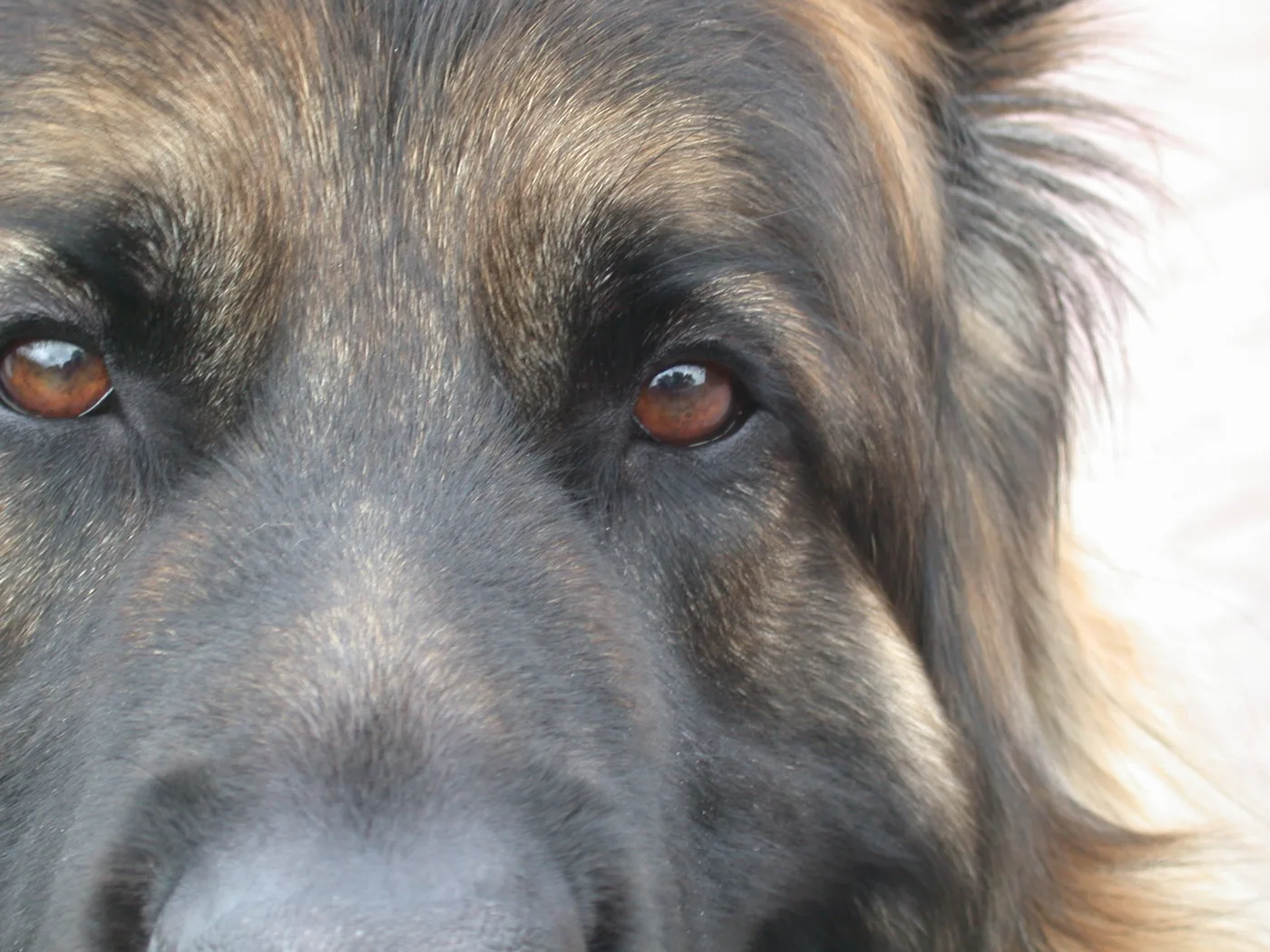
The reported condition is sudden bilateral dry eye, also called keratoconjunctivitis sicca. It happens when a dog stops producing enough tears, and it affects both eyes at once.
The Royal Kennel Club describes the signs as eyes that look “inflamed and reddened, or the cornea may appear dry and dull”, commonly with “a thick, mucusy discharge in or around the eye”. Its warning on timing is the part owners need: “If this condition is not treated early or is not managed effectively, it can lead to visual problems and blindness.”
That is why this is worth acting on rather than watching. A dog with gummy, sticky eyes and a bit of redness reads as a mild irritation, the sort of thing most people would give a few days. In this specific case, a few days is the difference the Kennel Club is warning about.
What to do if you have fed these meals
Stop feeding them now, whether or not your dog has symptoms, and hold on to the packaging rather than binning it. If your dog has any eye changes at all, get a vet appointment rather than a phone triage, because dry eye is diagnosed with a tear production test that has to be done in person. Say explicitly that the dog has been eating a recalled fresh food and that sudden bilateral dry eye is the suspected condition, because it points the examination in the right direction immediately.
If you are between vets or your usual practice cannot see you quickly, our guide to how to find a good vet in the UK covers what to check and how to get seen faster. And if you use a walker, sitter or day care, tell them what to watch for as well, since they may see your dog’s eyes at times of day you do not; how to introduce a new dog walker covers the handover information worth sharing as standard.
The recall is covered in detail at Food Manufacture.
Looking for someone local?
Search your town to find checked groomers, walkers, sitters and pet shops near you, with real owner reviews.
Find local pet services