Vet Price Lists Online From 23 December: CMA Sets Dates
By the Pets Locally team
Updated 2026
The competition regulator has told vets exactly when each of its new rules applies, which means you now know when price lists will appear on your practice’s website. Fireworks season has started, with a government campaign that names pets and a vet charity asking for more than advice. And the PDSA’s annual survey of owners has found how many of us buy a pet without looking into it first.
Large vet groups must publish price lists from 23 December
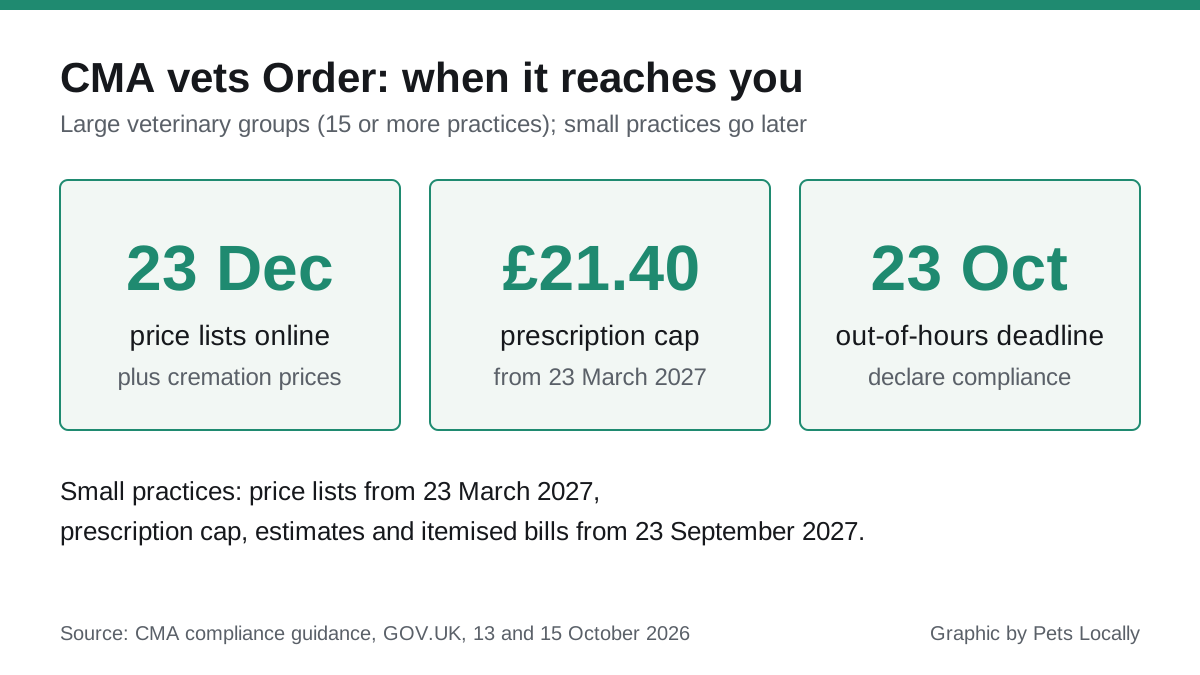
The Competition and Markets Authority published compliance guidance for large veterinary businesses (15 or more practices) and small ones on 13 October, and added to it on 15 October. It turns the Order made in September into a timetable. Each requirement applies from the next working day after the date listed, so for the large groups the first changes for owners arrive on 23 December 2026:
- a price list on the practice website covering the 36 services in the Order’s schedule, also available at the practice
- the price of the consultation in the email or text confirming your booking, with a link to the price list
- for pet care plans, a list of what is included, how often each service can be used, the monthly and annual price, and the standalone price of each item
- cremation options and prices
From 23 March 2027 the large groups must show who owns them and cap the fee for a written prescription at £21.40 for the first medicine and £12.70 for each additional one, including VAT. Written estimates for costly treatment and itemised bills follow from 23 June 2027. Small practices get longer: most of their changes, including price lists and ownership, apply from 23 March 2027, and prescription caps, estimates and itemised bills from 23 September 2027.
One part is already in force. Out-of-hours providers can no longer enforce notice periods longer than 12 months in their contracts with practices, and they have to send the CMA a signed declaration that they comply by 11.59pm on 23 October.
If you are choosing a practice before the price lists appear, ask for the consultation fee and the cost of a repeat prescription on the phone; there is nothing to stop a practice telling you now. How to find a good vet has the other questions to ask. One correction: our 24 September report gave the prescription cap as £21 and £12.50, the figures from the draft. The final Order sets £21.40 and £12.70, and we have updated that page. Sources: CMA guidance for large practices, for small practices and for out-of-hours providers.
Fireworks: a government campaign names pets, and the PDSA wants private displays limited
The Office for Product Safety and Standards launched its fireworks campaign for this season on 15 October under the line “Think beyond your garden, know your impact”. It asks people holding their own displays to tell their neighbours beforehand, choose fireworks that suit the setting and think about the effect on pets and other animals, as well as on veterans with PTSD, people with anxiety or dementia, and autistic people.
The PDSA went further on 8 October in its response to the government’s consultation on fireworks, which closed on 7 October. The charity wants loud fireworks restricted to licensed, publicly advertised displays, so owners know when to expect them, with an exemption for sparklers, party poppers and crackers. The consultation itself proposed limiting the noisiest fireworks to professional users. No new rules apply to this year’s bonfire night.
If your dog is frightened of bangs, plan now rather than on the night. The PDSA’s advice is to contact your vet as early as possible if you think your pet may need help, and walking in daylight in the weeks around 5 November avoids the worst of it. If you are booking a sitter or kennels for that week, tell them about the fear when you book. Signs your dog needs a behaviourist covers when noise fear needs more than a quiet room. Sources: OPSS, PDSA and the consultation page.
One in five owners did no research before getting a pet
The PDSA published its latest Animal Wellbeing (PAW) Report on 12 October, the largest annual survey of pet wellbeing in the UK. This year it looked at what owners do not know. Among the findings:
- 21% of owners did no research at all before buying or rescuing their pet
- only 16% looked into the cost of ownership first
- 61% found their pet online
- 32% of dog owners walk their dog for 30 minutes or less a day
- 16% think their pet needs to lose weight, which the PDSA believes is a large underestimate
The cost figure matters most: grooming, walking, boarding and insurance add up to far more over a dog’s life than the purchase price. Our annual dog cost calculator adds them up, and how often should I walk my dog gives the exercise needs by breed type, since half an hour is plenty for some dogs and far too little for others. Source: PDSA.
Looking for someone local?
Search your town to find checked groomers, walkers, sitters and pet shops near you, with real owner reviews.
Find local pet services